Managing Body Condition With Forage
By: Dr. Stephen Duren, Performance Horse Nutrition and Standlee Premium Western Forage® Nutritional Consultants
Many horse owners struggle with the body condition of their horses. Some horses seem to gain condition easily; others seem to eat and eat while not gaining body condition and become thin.
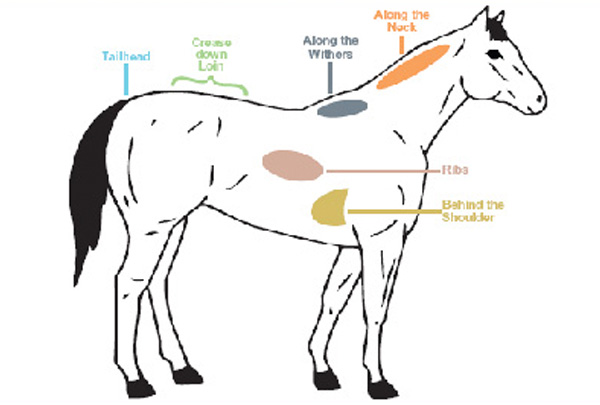
A Body Condition Scoring (BCS) system has been developed to help horse owners visually determine if their horse is overweight, underweight or in ideal condition. It assigns values from 1 to 9, to classify horses from underweight to overweight in each of the following areas: the loin, ribs, tail head, withers, neck, and behind the shoulders.
Horses with a BCS of:
- 3 or less are underweight
- 4-6 are ideal
- 7-8 are overweight
- Greater than 8 are obese
So how do we manage the body condition of our horses? If we want a horse to lose condition, we need to feed fewer calories and expend more calories through exercise. Horses eat from 1.5% to 3% of their body weight per day in feed. For a 1,000-pound horse, this equals 15 to 30 pounds of feed per day. Most horses will consume more forage (hay/pasture) in their diet compared to grain. Horses on a weight-loss program should never be fed less than 1.2% of their body weight.
Forage type can dictate calorie content. Grass hays, such as timothy and orchard grass, contain fewer calories compared to legumes, such as alfalfa. Mixed hays containing a combination of both are intermediate in calorie content. A horse in a low body condition would benefit from some alfalfa in the diet. A horse that is overweight would benefit from more grass hay in the diet.
Read more about Managing Body Condition Scoring With Forage at standleeforage.com.
